
“Salome” Karl Klaus Serapis Wahliss ca. 1912

SKU 1661 Tags , , ,

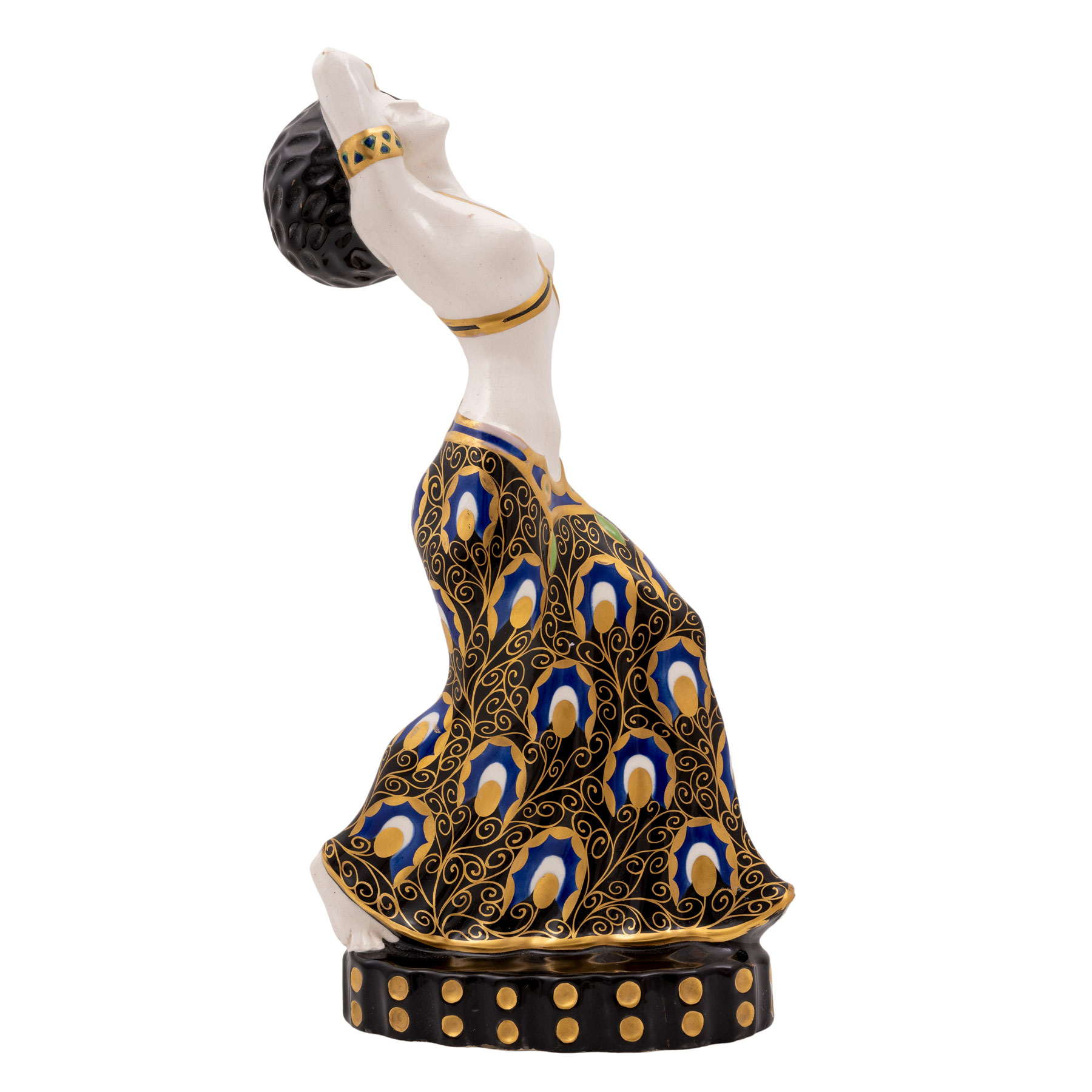
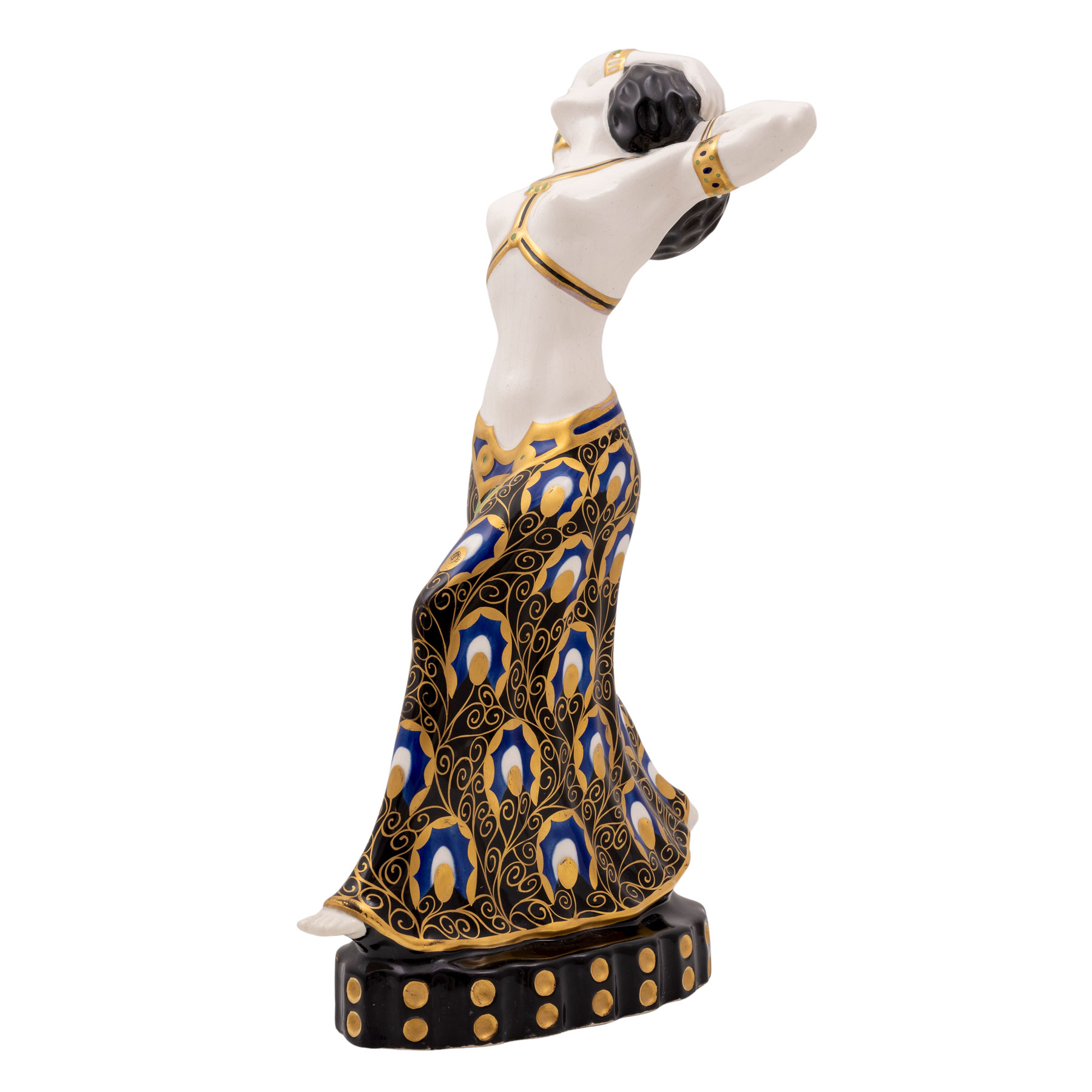
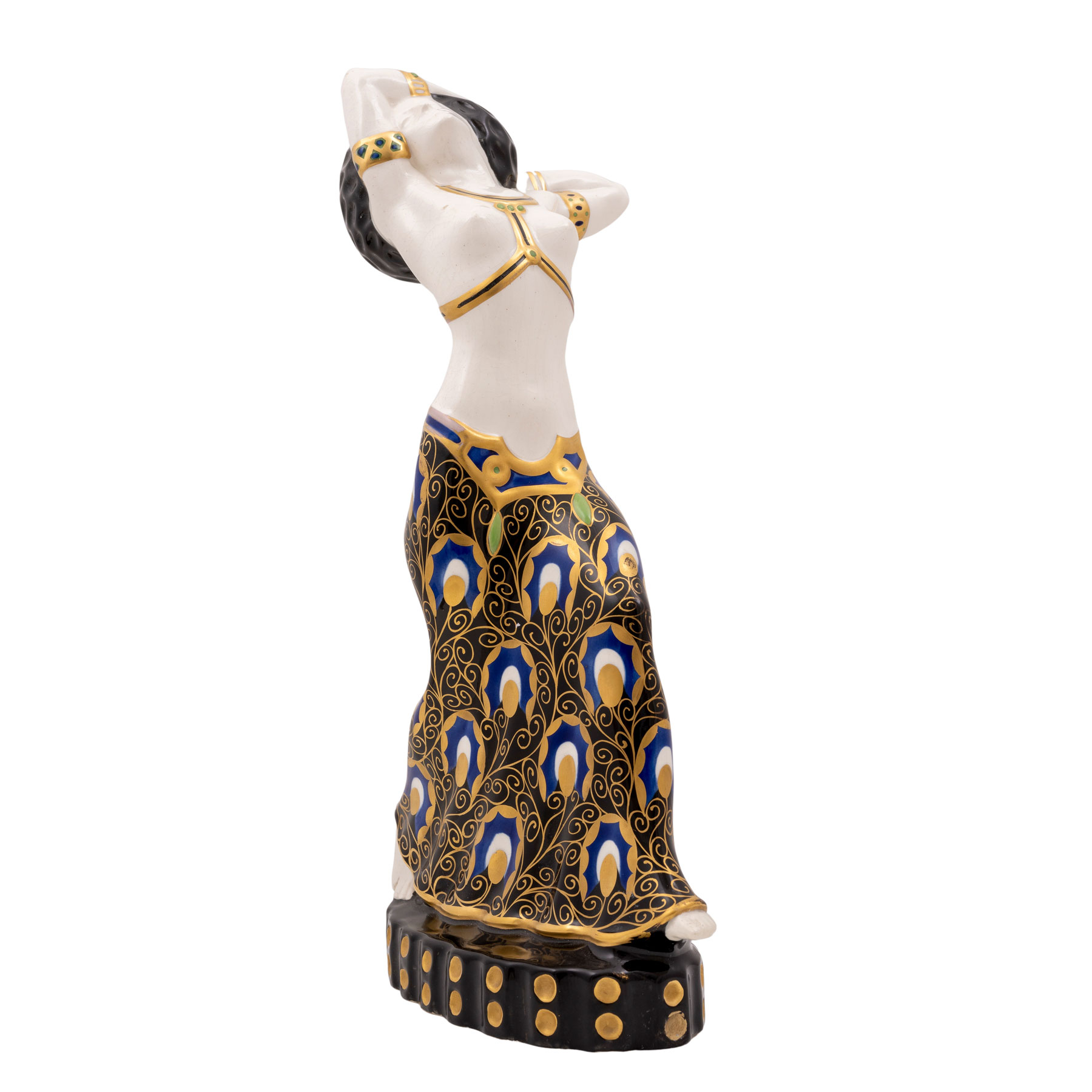
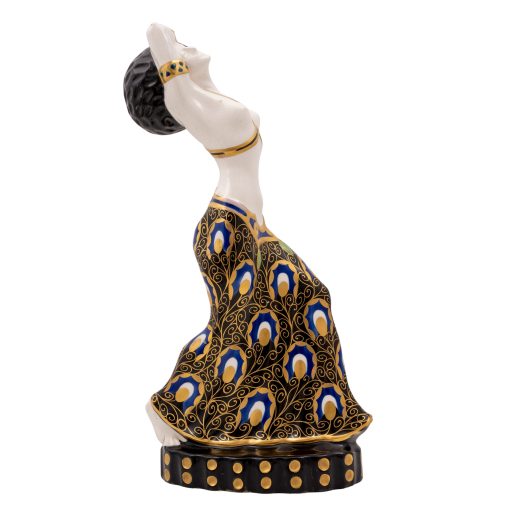
Female dancer “Salome”, design by Karl Klaus, execution by Ernst Wahliss Wien, ca. 1911, Serapis-Faience

  • Height: 31.3cm, Width: 17.1cm, Depth: 7.7cm
  • 1911 to 1913
    Technique: private collection, Cologne
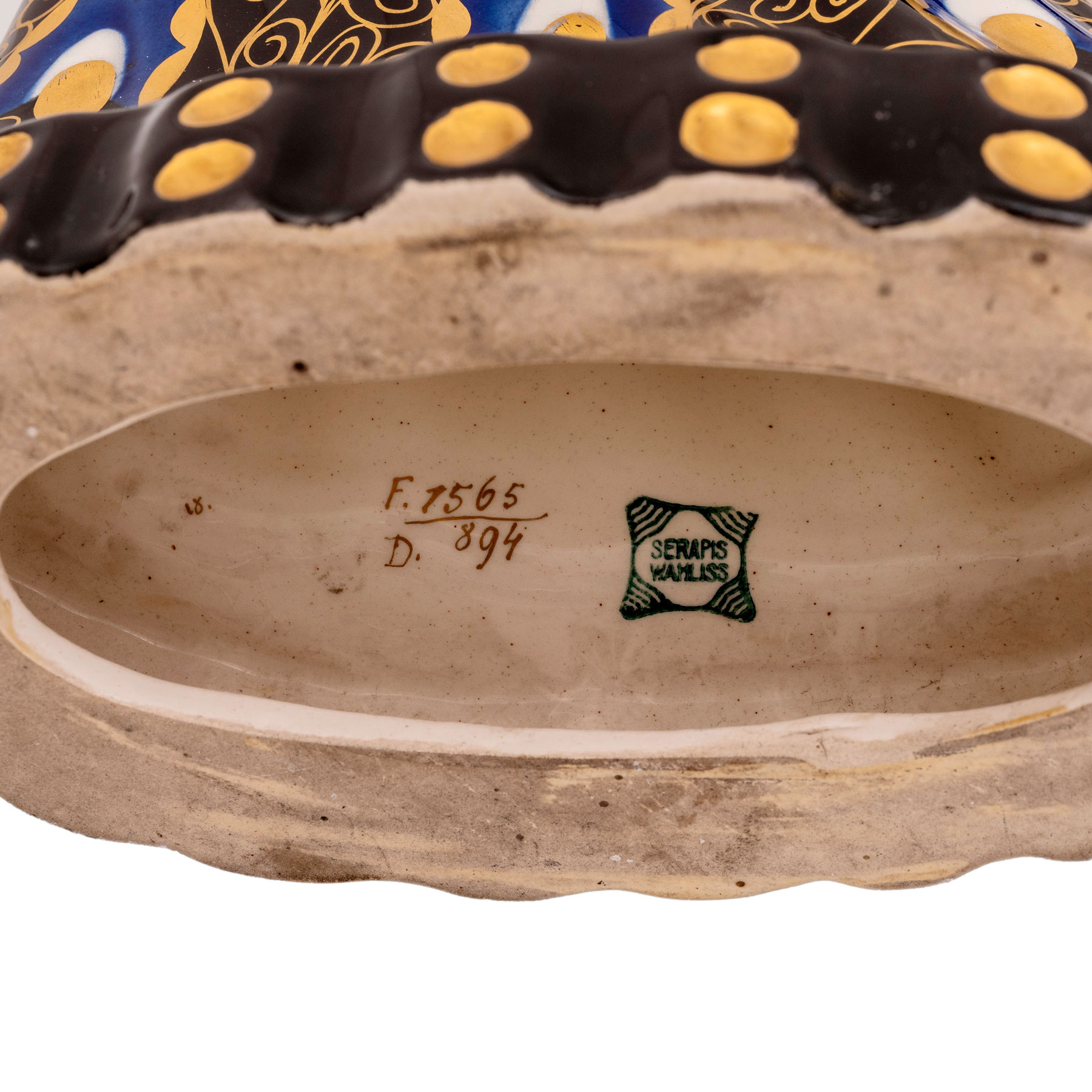
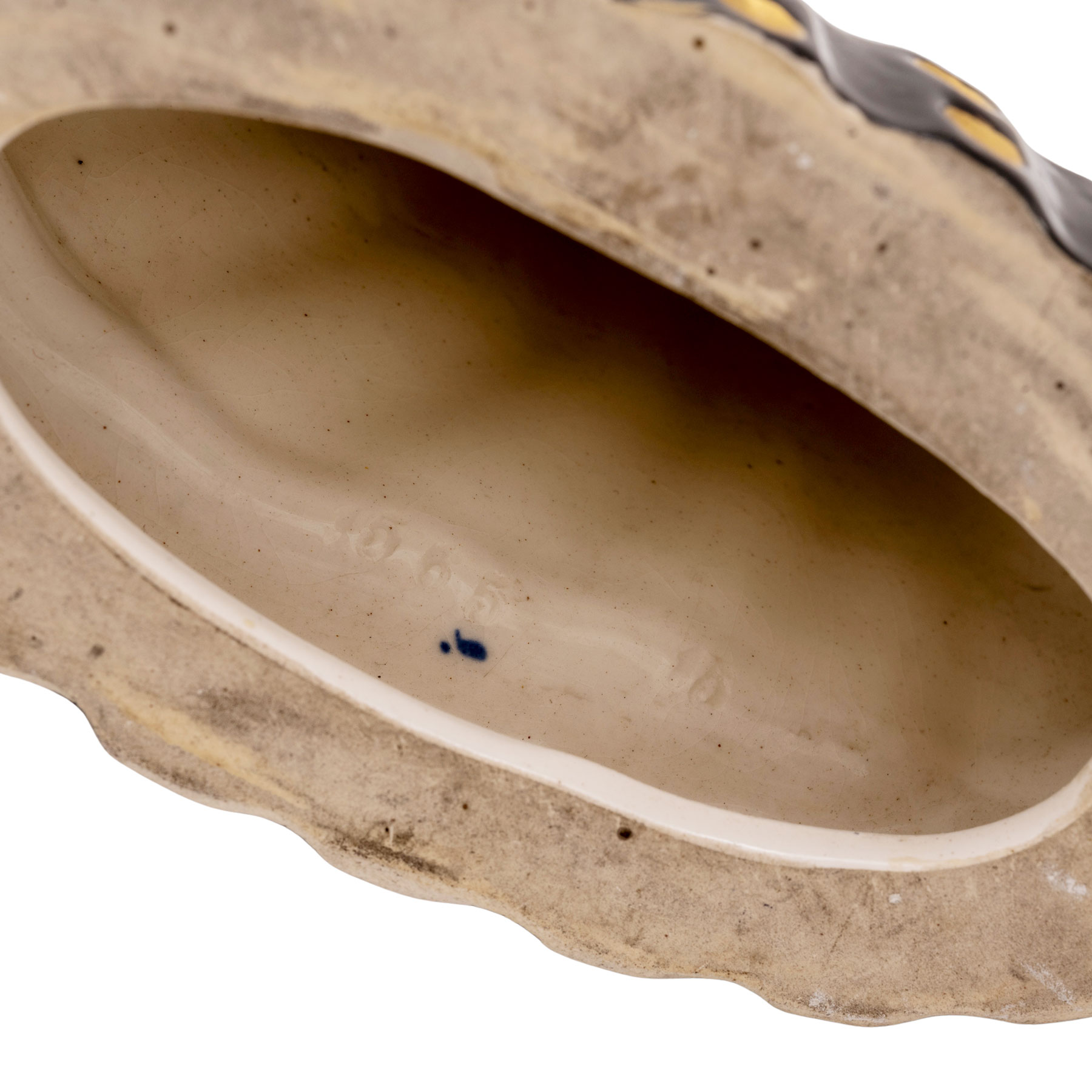
    on the inside, a green stamp mark reading “Serapis/Wahliss”, in gold “F. 1565/D. 894” and “18.”, impressed model numbers “1565” and “15” bib.: depicted in: The Studio yearbook of decorative art, London 1914, p. 195.
    Price on request
    Price on request
    SKU 1661 Tags , , ,
    Description

    Around 1900, the figure of Salome occupied a prominent place in European cultural and intellectual discourse. She emerged as a powerful projection screen for contemporary notions of eroticism, decadence, and female seduction. A significant contribution to her popularity was made by Oscar Wilde’s Symbolist drama Salome, first performed in Paris in 1896 and notorious for the scandal it provoked. A few years later, Richard Strauss revisited the subject in his opera Salome, premiered in 1905, further cementing the figure’s status as one of the defining cultural icons of the fin de siècle.

    With this figurine, Karl Klaus draws upon the iconography of the femme fatale, one of the most enduring artistic archetypes of the period.
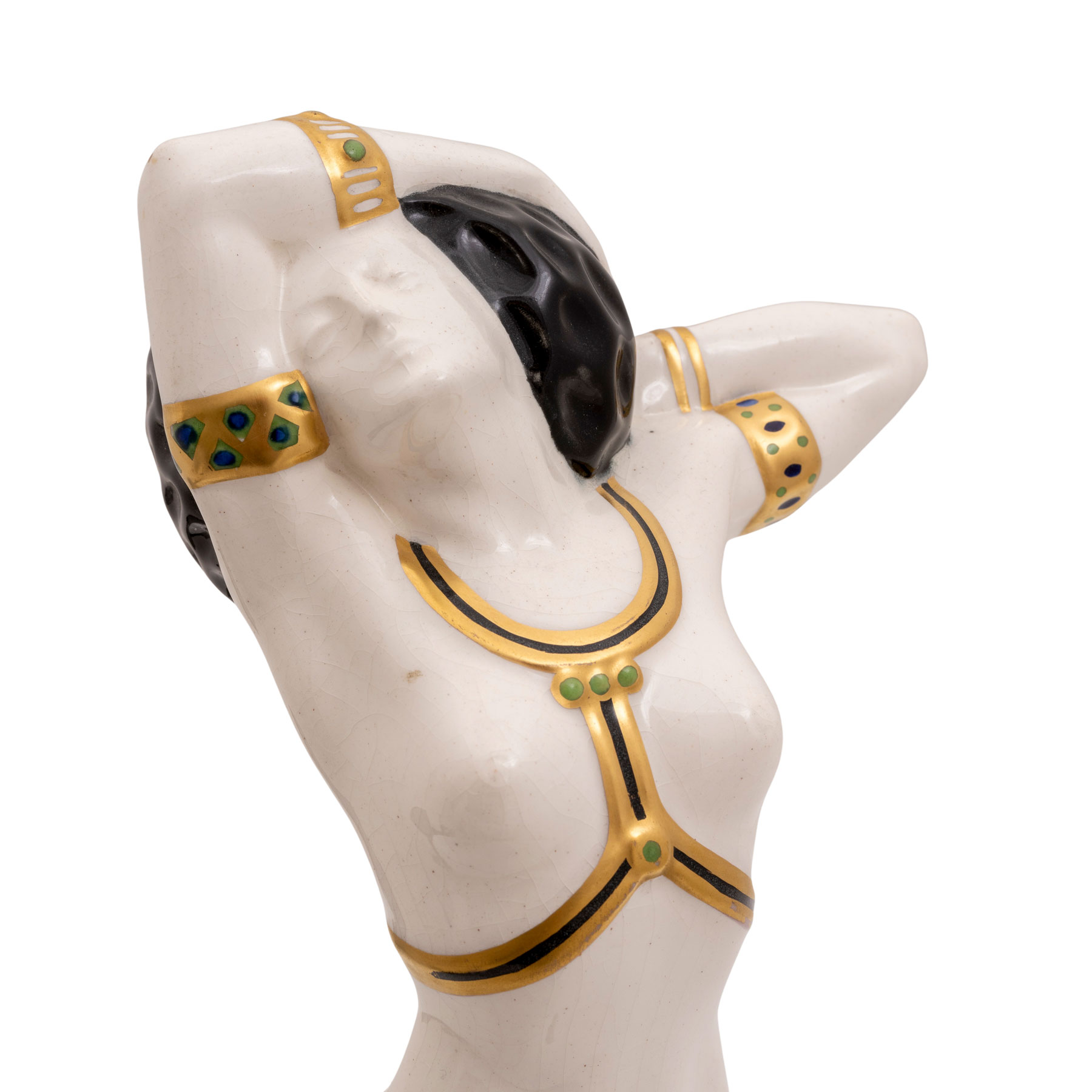
    Salome is depicted in a seductive dance pose, executing a deep swaying step while her torso arches dramatically backwards in an exalted, almost ecstatic movement. The dynamic posture heightens the figure’s expressive and suggestive character, evoking the sensual power with which Salome captivates both her stepfather Herod and the viewer.

    Klaus demonstrates particular sophistication in his handling of the ceramic medium. The exposed breast remains unpainted, allowing the luminous white body of the faience to remain visible and thereby transforming the material itself into an active aesthetic element. This deliberate restraint contrasts with the richly ornamented costume, whose elaborate overglaze decoration reflects the ornamental vocabulary of the Vienna Secession and the broader Art Nouveau movement. Through this interplay of surface, colour, and form, the figure embodies the decorative ideals and aesthetic sensibilities of the turn of the century.

    The model was reproduced in the catalogue of the 1914 Werkbund Exhibition in Cologne as a representative example of the modern Serapis faience produced by the Viennese firm Ernst Wahliss.

    Inquiry

    By submitting the inquiry form, you agree to the use of your data for this inquiry. Privacy Policy

    Female dancer "Salome" Karl Klaus Ernst Wahliss Wien ca. 1912 Serapis-Faience marked
    “Salome” Karl Klaus Serapis Wahliss ca. 1912
    You might be interested in

    Thank you for subscribing to our newsletter

    Social Media

    Thank you for your inquiry!

    We will process your request as quickly as possible.

    Current time in Vienna:
    Sunday, 04:35
    Office hours

    Monday to Friday: 10:00 a.m. – 6:00 p.m.
    Saturday: 10:00 a.m. – 4:00 p.m.

    Visit our exhibitions too

    Social Media

    Always up to date with our art trade newsletter

    Our next exhibitions

    Social Media